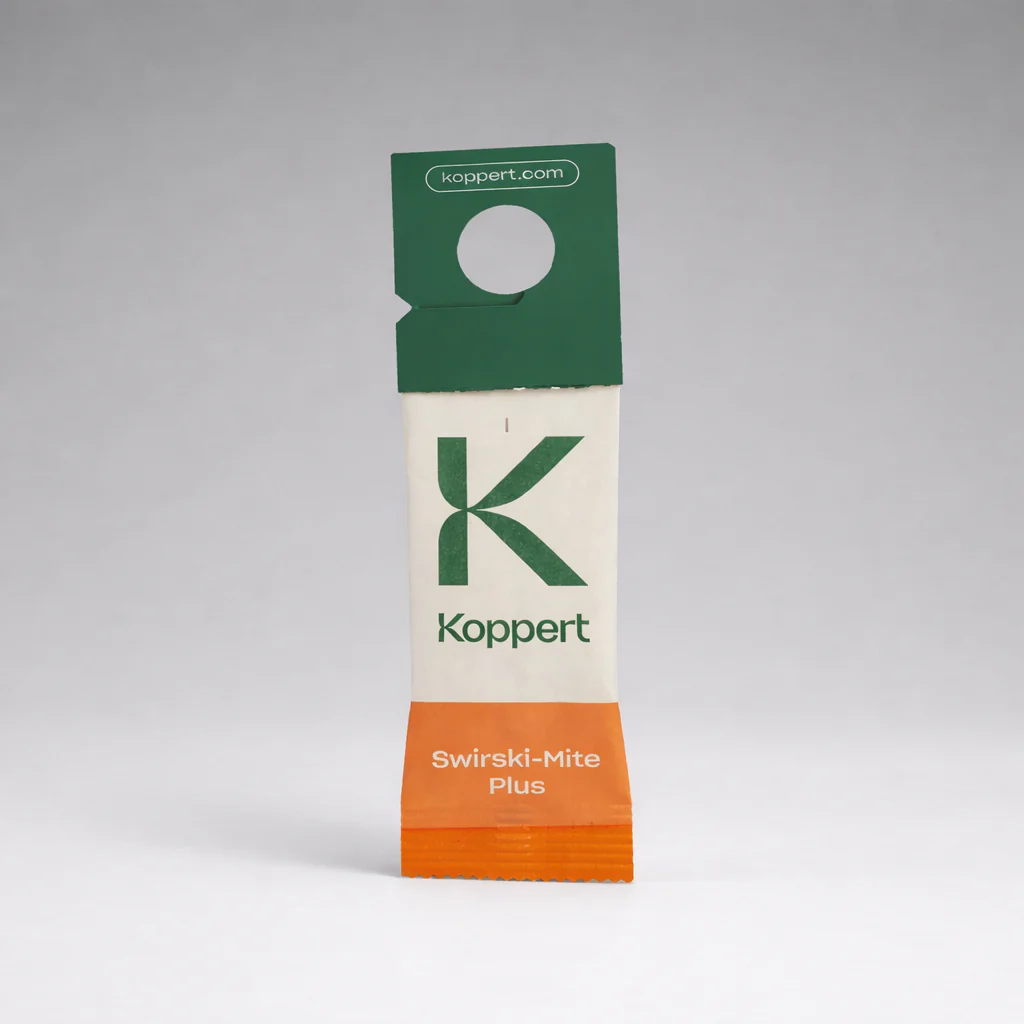
Amblyseius Andersoni Treatment Bottles
Amblyseius andersoni is a versatile, hardy predatory mite known for its incredible temperature tolerance. Unlike many beneficials that require a "perfect" environment, Andersoni is active from early spring through late fall. It is a "generalist" hunter, meaning it doesn't just wait for one type of pest—it actively patrols your plants for a wide variety of mites and thrips larvae.
-
Scientific Name: Amblyseius andersoni
-
Primary Target: Spider Mites, Broad Mites, and Russet Mites.
-
Secondary Targets: Thrips larvae, Whitefly eggs, and Apple Rust Mites.
-
Key Advantage: Extreme temperature resilience. It remains active in both chilly spring mornings and the peak heat of summer.
Amblyseius andersoni is a versatile, hardy predatory mite known for its incredible temperature tolerance. Unlike many beneficials that require a "perfect" environment, Andersoni is active from early spring through late fall. It is a "generalist" hunter, meaning it doesn't just wait for one type of pest—it actively patrols your plants for a wide variety of mites and thrips larvae.
-
Scientific Name: Amblyseius andersoni
-
Primary Target: Spider Mites, Broad Mites, and Russet Mites.
-
Secondary Targets: Thrips larvae, Whitefly eggs, and Apple Rust Mites.
-
Key Advantage: Extreme temperature resilience. It remains active in both chilly spring mornings and the peak heat of summer.
Original: $60.00
-70%$60.00
$18.00Description
Amblyseius andersoni is a versatile, hardy predatory mite known for its incredible temperature tolerance. Unlike many beneficials that require a "perfect" environment, Andersoni is active from early spring through late fall. It is a "generalist" hunter, meaning it doesn't just wait for one type of pest—it actively patrols your plants for a wide variety of mites and thrips larvae.
-
Scientific Name: Amblyseius andersoni
-
Primary Target: Spider Mites, Broad Mites, and Russet Mites.
-
Secondary Targets: Thrips larvae, Whitefly eggs, and Apple Rust Mites.
-
Key Advantage: Extreme temperature resilience. It remains active in both chilly spring mornings and the peak heat of summer.