Neoseiulus Californicus Prevention Sachets
Predatory Mites for Hot & Dry Conditions
The Survivor Strategy: Pest Control That Takes the Heat.
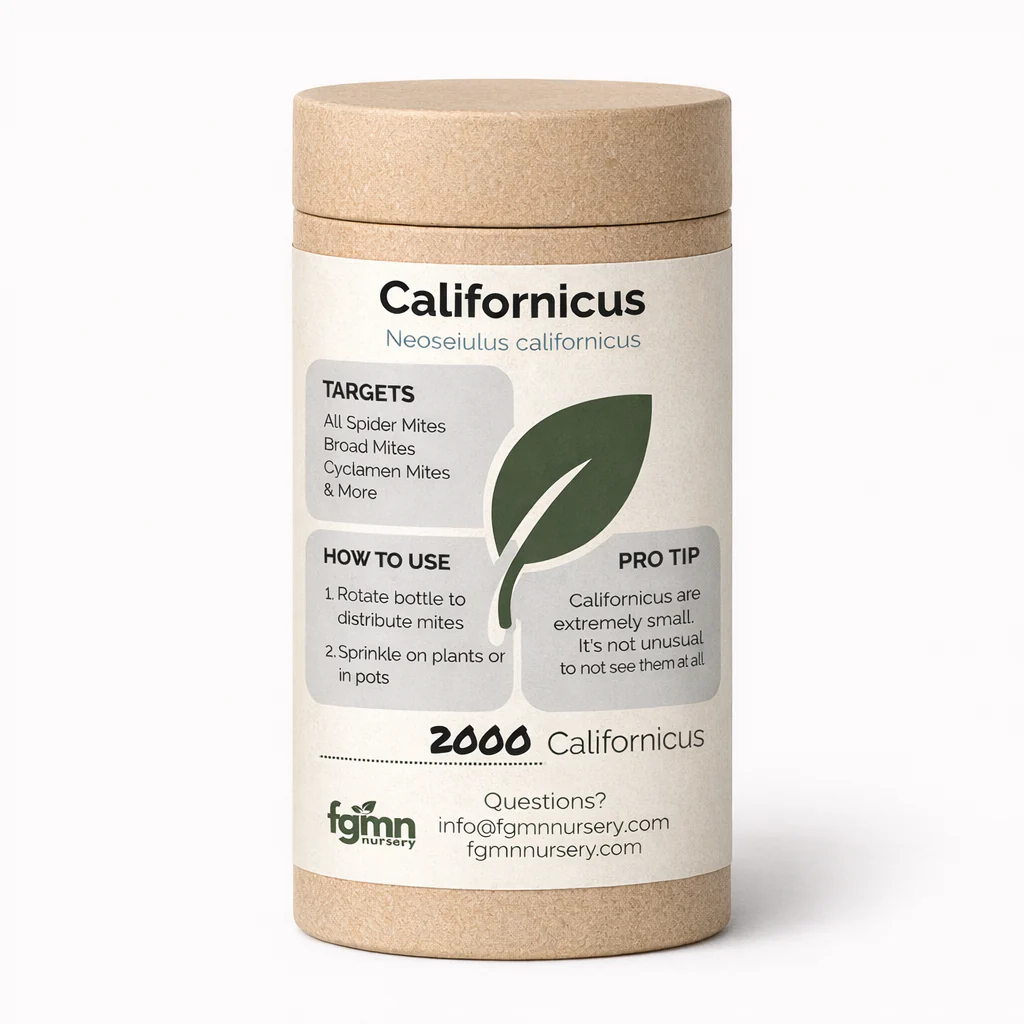
If your grow space runs hot, your humidity fluctuates, or you are between pest flare-ups,Neoseiulus californicus is the predatory mite that won’t quit.
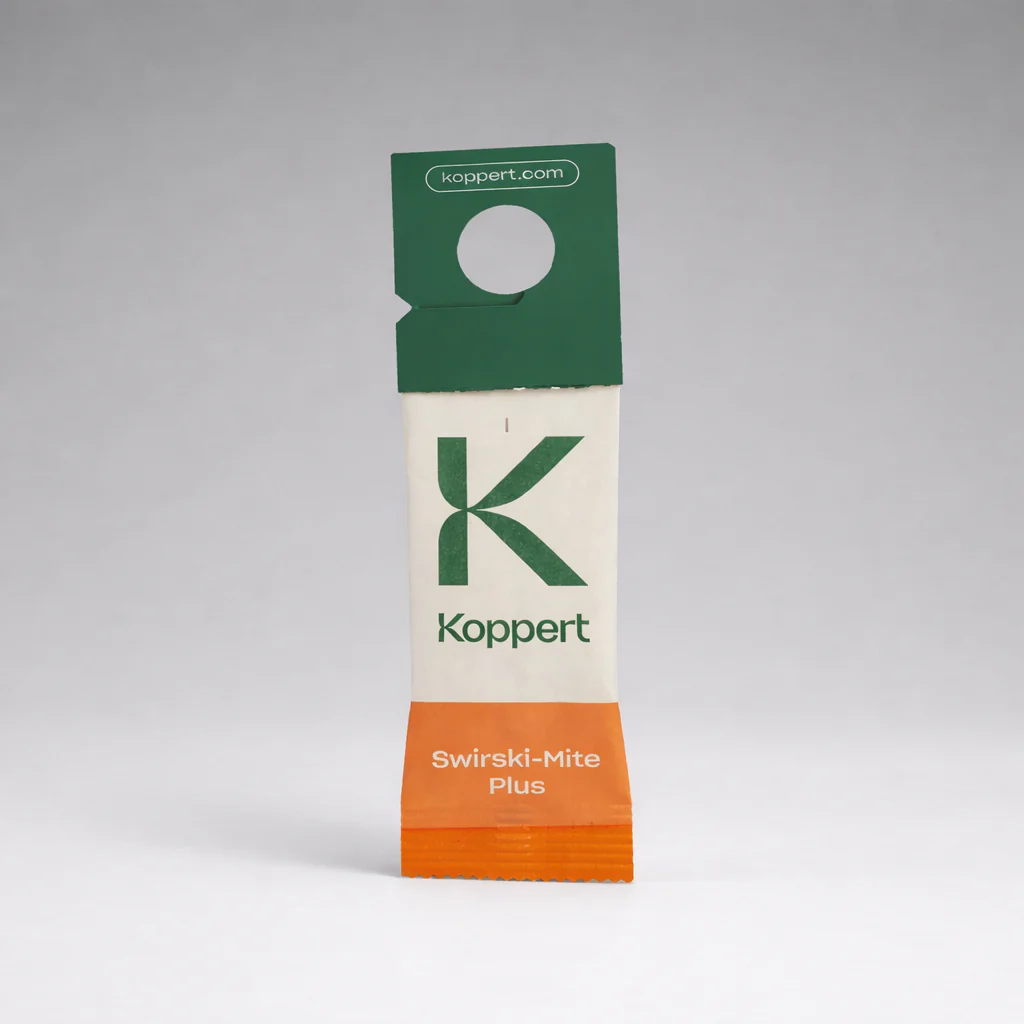
While other predators require high humidity to survive, A. californicus is built for resilience. These slow-release sachets deploy a steady stream of generalist predators designed specifically for environments where other beneficials stall out. They are not a "rescue" treatment for massive infestations, but they are the ultimate insurance policy against pests returning when the climate works against you.
How It Works: The Marathon Runner
Unlike the fast-acting P. persimilis (the sprinter), N. californicus plays the long game.
-
Starvation Resistant: They can survive longer without food, making them perfect for preventative releases before pests are visible.
-
Dietary Flexibility: If spider mites aren't available, they will feed on pollen or other small arthropods to maintain their population.
-
Climate Hardiness: They remain active in temperatures up to 105°F and tolerate lower humidity (down to 40% RH) better than most predatory mites.
Targeted Pests
A. californicus is a Type II Generalist predator. While it prefers spider mites, it offers broader suppression capabilities.
-
Two-Spotted Spider Mite (Tetranychus urticae): Primary Target (Prevention)
-
Carmine / Red Mites (Tetranychus cinnabarinus): Effective suppression
-
Broad Mites (Polyphagotarsonemus latus): Preventative maintenance
-
Russet Mites (Aculops lycopersici): Low-pressure management
When to Choose Californicus
Use this checklist to decide if N. californicus is the right tool for your current situation.
Go with Californicus If:
-
Climate: Your environment is hot (80°F+) or dry (40–60% RH).
-
Pest Pressure: You have low pest pressure or are "in between" outbreaks.
-
Goal: You want to prevent a resurgence after a chemical spray or a heavy knockdown.
-
Consistency: You cannot mist your plants daily to keep humidity high.
Do Not Use If:
-
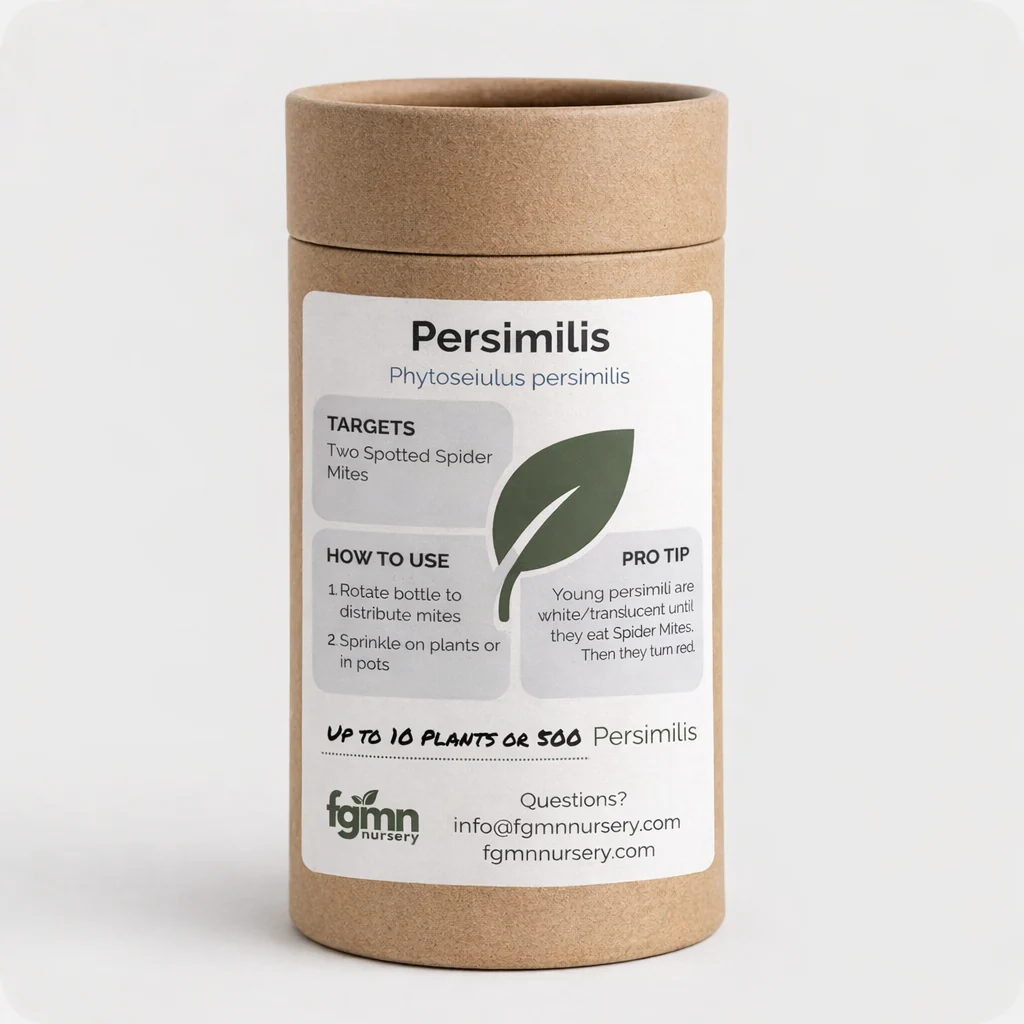
Active Outbreak: You see webbing, bronzing, or rapid spread. (Use P. persimilis in bottles for immediate knockdown).
-
Cold Conditions: Temps are consistently below 50°F.
Application Instructions
Hang High, Keep Dry.
-
Preventative Rate: 1 sachet per plant (for large plants) or 1 sachet every 2–3 feet (for canopy/rows).
-
Placement: Hang on the main stem or a branch near the canopy, away from direct light intensity if possible.
-
Frequency: Replace every 2–4 weeks based on heat intensity (sachets dry out faster in hot rooms).
-
Important: Do not open the sachets. Mites exit through a micro-perforated hole engineered into the paper.
Frequently Asked Questions
Can I use Californicus and Persimilis together? Yes. This is a common strategy. Use P. persimilis to attack hot spots (active infestations) and hang N. californicus sachets to cover the rest of the room and prevent spread.
Will these mites survive on flowering plants? Yes.N. californicus can feed on pollen, which allows them to stick around on flowering crops even if there are no spider mites to eat.
Are they safe for organic living soil? 100%.N. californicus is non-toxic, leaves no residue, and is safe for people, pets, and pollinators.
Shipping & Storage
-
Freshness: Ships via 2-Day Air with a live arrival guarantee.
-
Storage: Use immediately for best results. If necessary, store at 50°F for up to 48 hours.
-
Warning: Do not freeze. Do not store near dry air sources (like standard refrigerators).
Predatory Mites for Hot & Dry Conditions
The Survivor Strategy: Pest Control That Takes the Heat.
If your grow space runs hot, your humidity fluctuates, or you are between pest flare-ups,Neoseiulus californicus is the predatory mite that won’t quit.
While other predators require high humidity to survive, A. californicus is built for resilience. These slow-release sachets deploy a steady stream of generalist predators designed specifically for environments where other beneficials stall out. They are not a "rescue" treatment for massive infestations, but they are the ultimate insurance policy against pests returning when the climate works against you.
How It Works: The Marathon Runner
Unlike the fast-acting P. persimilis (the sprinter), N. californicus plays the long game.
-
Starvation Resistant: They can survive longer without food, making them perfect for preventative releases before pests are visible.
-
Dietary Flexibility: If spider mites aren't available, they will feed on pollen or other small arthropods to maintain their population.
-
Climate Hardiness: They remain active in temperatures up to 105°F and tolerate lower humidity (down to 40% RH) better than most predatory mites.
Targeted Pests
A. californicus is a Type II Generalist predator. While it prefers spider mites, it offers broader suppression capabilities.
-
Two-Spotted Spider Mite (Tetranychus urticae): Primary Target (Prevention)
-
Carmine / Red Mites (Tetranychus cinnabarinus): Effective suppression
-
Broad Mites (Polyphagotarsonemus latus): Preventative maintenance
-
Russet Mites (Aculops lycopersici): Low-pressure management
When to Choose Californicus
Use this checklist to decide if N. californicus is the right tool for your current situation.
Go with Californicus If:
-
Climate: Your environment is hot (80°F+) or dry (40–60% RH).
-
Pest Pressure: You have low pest pressure or are "in between" outbreaks.
-
Goal: You want to prevent a resurgence after a chemical spray or a heavy knockdown.
-
Consistency: You cannot mist your plants daily to keep humidity high.
Do Not Use If:
-
Active Outbreak: You see webbing, bronzing, or rapid spread. (Use P. persimilis in bottles for immediate knockdown).
-
Cold Conditions: Temps are consistently below 50°F.
Application Instructions
Hang High, Keep Dry.
-
Preventative Rate: 1 sachet per plant (for large plants) or 1 sachet every 2–3 feet (for canopy/rows).
-
Placement: Hang on the main stem or a branch near the canopy, away from direct light intensity if possible.
-
Frequency: Replace every 2–4 weeks based on heat intensity (sachets dry out faster in hot rooms).
-
Important: Do not open the sachets. Mites exit through a micro-perforated hole engineered into the paper.
Frequently Asked Questions
Can I use Californicus and Persimilis together? Yes. This is a common strategy. Use P. persimilis to attack hot spots (active infestations) and hang N. californicus sachets to cover the rest of the room and prevent spread.
Will these mites survive on flowering plants? Yes.N. californicus can feed on pollen, which allows them to stick around on flowering crops even if there are no spider mites to eat.
Are they safe for organic living soil? 100%.N. californicus is non-toxic, leaves no residue, and is safe for people, pets, and pollinators.
Shipping & Storage
-
Freshness: Ships via 2-Day Air with a live arrival guarantee.
-
Storage: Use immediately for best results. If necessary, store at 50°F for up to 48 hours.
-
Warning: Do not freeze. Do not store near dry air sources (like standard refrigerators).
Description
Predatory Mites for Hot & Dry Conditions
The Survivor Strategy: Pest Control That Takes the Heat.
If your grow space runs hot, your humidity fluctuates, or you are between pest flare-ups,Neoseiulus californicus is the predatory mite that won’t quit.
While other predators require high humidity to survive, A. californicus is built for resilience. These slow-release sachets deploy a steady stream of generalist predators designed specifically for environments where other beneficials stall out. They are not a "rescue" treatment for massive infestations, but they are the ultimate insurance policy against pests returning when the climate works against you.
How It Works: The Marathon Runner
Unlike the fast-acting P. persimilis (the sprinter), N. californicus plays the long game.
-
Starvation Resistant: They can survive longer without food, making them perfect for preventative releases before pests are visible.
-
Dietary Flexibility: If spider mites aren't available, they will feed on pollen or other small arthropods to maintain their population.
-
Climate Hardiness: They remain active in temperatures up to 105°F and tolerate lower humidity (down to 40% RH) better than most predatory mites.
Targeted Pests
A. californicus is a Type II Generalist predator. While it prefers spider mites, it offers broader suppression capabilities.
-
Two-Spotted Spider Mite (Tetranychus urticae): Primary Target (Prevention)
-
Carmine / Red Mites (Tetranychus cinnabarinus): Effective suppression
-
Broad Mites (Polyphagotarsonemus latus): Preventative maintenance
-
Russet Mites (Aculops lycopersici): Low-pressure management
When to Choose Californicus
Use this checklist to decide if N. californicus is the right tool for your current situation.
Go with Californicus If:
-
Climate: Your environment is hot (80°F+) or dry (40–60% RH).
-
Pest Pressure: You have low pest pressure or are "in between" outbreaks.
-
Goal: You want to prevent a resurgence after a chemical spray or a heavy knockdown.
-
Consistency: You cannot mist your plants daily to keep humidity high.
Do Not Use If:
-
Active Outbreak: You see webbing, bronzing, or rapid spread. (Use P. persimilis in bottles for immediate knockdown).
-
Cold Conditions: Temps are consistently below 50°F.
Application Instructions
Hang High, Keep Dry.
-
Preventative Rate: 1 sachet per plant (for large plants) or 1 sachet every 2–3 feet (for canopy/rows).
-
Placement: Hang on the main stem or a branch near the canopy, away from direct light intensity if possible.
-
Frequency: Replace every 2–4 weeks based on heat intensity (sachets dry out faster in hot rooms).
-
Important: Do not open the sachets. Mites exit through a micro-perforated hole engineered into the paper.
Frequently Asked Questions
Can I use Californicus and Persimilis together? Yes. This is a common strategy. Use P. persimilis to attack hot spots (active infestations) and hang N. californicus sachets to cover the rest of the room and prevent spread.
Will these mites survive on flowering plants? Yes.N. californicus can feed on pollen, which allows them to stick around on flowering crops even if there are no spider mites to eat.
Are they safe for organic living soil? 100%.N. californicus is non-toxic, leaves no residue, and is safe for people, pets, and pollinators.
Shipping & Storage
-
Freshness: Ships via 2-Day Air with a live arrival guarantee.
-
Storage: Use immediately for best results. If necessary, store at 50°F for up to 48 hours.
-
Warning: Do not freeze. Do not store near dry air sources (like standard refrigerators).